Calculate Your Savings



70+
Specialties
Expertise
Expertise


 BCBSM, Medicaid & Commercial Eligibility Verification
Updated ICD-10-CM, CPT & HCPCS Coding Accuracy
MDHHS-Compliant Billing Workflows & Data Security
Denial Management, AR Recovery & Old AR Cleanup



Get expert advice tailored to your practice.


A practice demands state-specific billing because unique payer rules in every state change how claims are routed. For example, consider a Medicaid patient who visits for a mental health consultation and a routine checkup on the same day. In many states, one plan would handle both, but Michigan splits them.
A Medicaid Health Plan usually covers the checkup, while a separate plan manages specialty behavioral health services. Each has its own eligibility check, authorization rules, and billing requirements. In this case, if you send both service bills to one payer, the claim will be denied in Michigan. Confirming the correct payer before every visit prevents wrong-plan submissions and avoidable denials in Michigan billing.
 Payer-Specific
 Claim Denial
 HIPAA Compliance

State-specific medical billing plans the revenue cycle around payer rules & regulations and the location of service. It applies local payer requirements, filing limits, and prompt-pay requirements at every step of claim processing. From eligibility verification and coding to claim submission, appeals, and follow-up, the details differ.

Coverage, plan type, and benefits are confirmed before the visit, and the primary payer is identified so claims go to the right insurer first.

ICD-10-CM, CPT, and HCPCS codes are matched to local requirements to keep first-pass claims clean.

After the claims are filed, the filing limits and payment deadlines are tracked to catch late payments.
When denials happen, the cause and appeal are traced within state deadlines, before A/R ages.
From being a medical credentialing company & payer enrollment partner, we also manage coding, claim processing, and final payment posting. Healthcare providers depend on us to keep claims accurate and compliant with Michigan medical billing laws.

 Eligibility Verification
Medical Coding
Claims Submission
Payment Reconciliation
Denial Management
A/R Recovery
Payer Operations & Compliance

Insurance Eligibility & Benefits Verification
We confirm active coverage, deductibles, copays, and coordination of benefits before treatment and decide which health plan pays first.
Prior Authorization Management
We match CPT codes to payer authorization rules, submit requests with medical necessity documentation, and track approvals.
Michigan Coverage Risk Checks
We check CHAMPS eligibility and flag plan splits, PIP coverage gaps, and missing referrals before the visit.
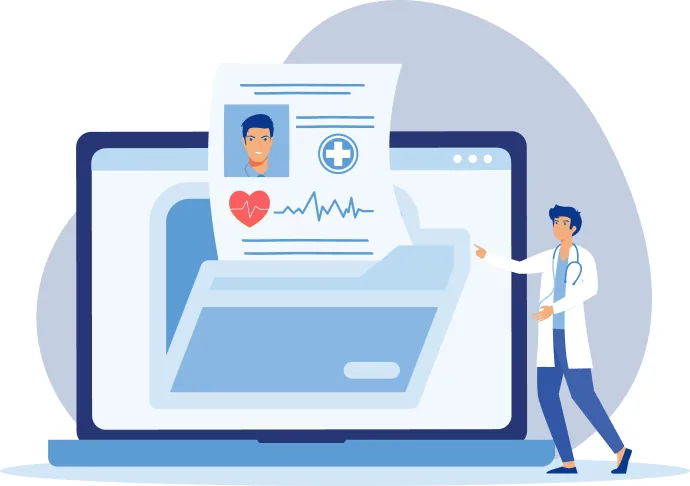
ICD-10-CM, CPT & HCPCS Coding Accuracy
We assign ICD-10-CM, CPT, and HCPCS Level II codes that match the clinical documentation and support medical necessity.
Charge Capture & Reconciliation
Every billable service, procedure, and supply is captured and matched against the visit record, so nothing turns into lost revenue.
Payer Edit & Modifier Review
Before submission, we screen claims against NCCI edits and modifiers like 25 and 59, which help us maintain our 99% first-pass clean claim rate.
Pre-Submission Claim Scrubbing
Our AI scrubbers check every claim for missing details, eligibility mismatches, and formatting errors before it goes to the payer.
Payer-Specific Claim Formatting
We format every claim to each payer’s submission requirements, covering required fields, code sets, and attachment rules to avoid rework.
Michigan Auto & Accident Claims
Our Michigan emergency group medical billing sends accident claims to the right carrier with injury date, no-fault claim number, and Michigan Assigned Claims Plan details.
835 Auto-Posting & Matching
Our AI systems post the 835 remittances against each claim and compare with contracted allowed amounts to flag underpayments.
Contractual Adjustment Validation
We also check contractual write-offs against each payer’s fee schedule and contract terms to apply only approved adjustments.
Patient Balance Accuracy
We calculate patient responsibility from CARC and group codes after adjudication, separating deductible, coinsurance, and copay.
Denial Prevention & Root-Cause Analysis
Our healthcare denial management services trace CARC and RARC codes, fix eligibility, authorization, coding, and documentation gaps, and track denial rates by payer.
Multi-Level Payer Appeals
We file first- and second-level appeals with records, payer policies, medical necessity letters, and peer-to-peer reviews.
COB & Underpayment Disputes
COB denials require payer-order updates, while underpayments require disputes against contracted allowed amounts and applicable fee schedules for reimbursement.

Aging Report Review & Prioritization
We review A/R aging buckets by payer, then rank claims by balance and deadline so high-value revenue is worked first.
AR Recovery & Management
Our AR recovery & old AR cleanup process re-verifies, corrects, and resubmits claims past 90 days, and adjusts off true uncollectible balances.
Underpayment Recovery & Contract Alignment
We compare payments with contracted allowed amounts, dispute short-paid claims, and follow up until everything is recovered.

HIPAA-Compliant Billing Workflows
Our systems keep your information secure with encryption, role-based access, and audit trails while keeping billing and telehealth workflows HIPAA-compliant.
Revenue Cycle Reporting & Audits
Our revenue cycle management Michigan reports track days in A/R, net collection rate, and denial trends, and support records for payer audits.
Medical Billing Expert Witness Michigan
We prepare expert claim-level billing analysis, coding audits, and payment timelines that support legal teams in no-fault, payer, and reimbursement disputes.
Our expert medical billers help you increase your reimbursement rate and recover lost revenue.

Better Billing
Workflow

Fewer Claim
Denials

Improved Revenue
Collection

Our Medi-Cal denials finally stopped after MedsIT fixed IPA routing and matched every authorization correctly before submission.

They found our failed Medicare crossovers, corrected our COB data, and recovered balances we had nearly written off.

Their team corrected our telehealth modifiers and POS coding, and the repeat California payer denials disappeared completely.

Our workers’ compensation claims moved again once they aligned injury reports, authorizations, and required California billing forms.

They compared our ERAs against contracted rates, appealed every variance, and recovered payments we were still missing.

They uncovered mismatched taxonomy and rendering-provider data, corrected 837 files, and finally resolved denials we couldn’t explain.


Hospitals & Health Systems
We manage hospital billing, DRG validation, and Michigan urgent care billing services, with coding built for high-volume, walk-in visits.
Independent & Multi-Specialty Practices
We keep independent and multi-specialty practices organized and paid accurately, including internal medicine medical billing Michigan alongside billing support for other specialties, providers, and payer requirements.
Ambulatory Surgery Centers
We verify authorizations, capture implant charges, and track global periods, so every facility and professional claim reaches Michigan payers error-free.
Behavioral Health & SUD Facilities
We track recurring authorizations, level-of-care coding, and visit limits, applying PIHP rules and telehealth billing compliance to every behavioral health claim.
FQHCs, RHCs & Community Clinics
We handle encounter-based billing, PPS rate reconciliation, and Healthy Michigan Plan claims, with documentation built for safety-net reimbursement.
Specialty Physician Groups
We support specialty physician groups across multiple disciplines, including rheumatology medical billing Michigan and oncology medical billing Michigan, with coding, authorizations, documentation, and payer workflows managed by specialty.
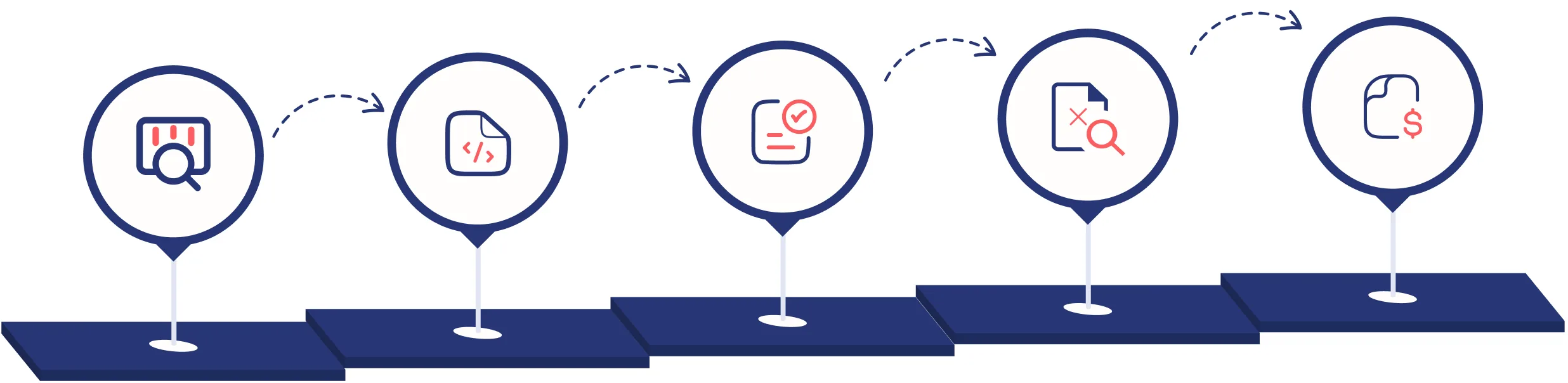
01. Claim Review
We review superbills and EHR exports to flag missing fields, eligibility gaps, and no-fault auto or Medicaid plan conflicts before coding.
02. Codes Scrubbing
Our team of 800+ certified coders checks ICD-10-CM, CPT, and HCPCS codes against Michigan payer policies to catch bundling errors and medical necessity gaps before submission.
03. Claim Submission
Our automated systems route clean claims electronically in the right 837 format to the correct Michigan payer, supporting our 99% first-pass clean claim rate.
04. Denial Tracking
We tag every denial with CARC and RARC codes and root cause, then appeal with payer-specific records and medical necessity documentation within filing deadlines.
05. Payment Posting
We match collected payments line by line to contracted rates to flag underpayments and track monthly reports and A/R days by payer and specialty.
MedsIT Nexus stands out for offering advanced services for revenue cycle management Michigan. Our team of 800+ certified coders applies payer-specific edits; our AI system verifies commercial & Medicaid plan order, tracks 45-day prompt pay deadlines, and audits 835 payments, so your practice collects what you have earned.

70+ specialties covered with advanced and HIPAA-compliant medical billing workflows.

99% clean claim rate with payer-specific billing and automated claim tracking.

Credentialing and payer enrollment tracked through revalidation dates and effective-date gaps.

AI claim scrubbers flag underpayment and recoupments before they close out as write-offs.

Payment posting matches ERA/835 remittances to contracted rates and patient responsibility.

22-day average A/R held through aging-bucket reviews, payer follow-up, and old A/R cleanup.
Michigan Medical Billing Laws Expertise
Expertise Across 70+ Specialties
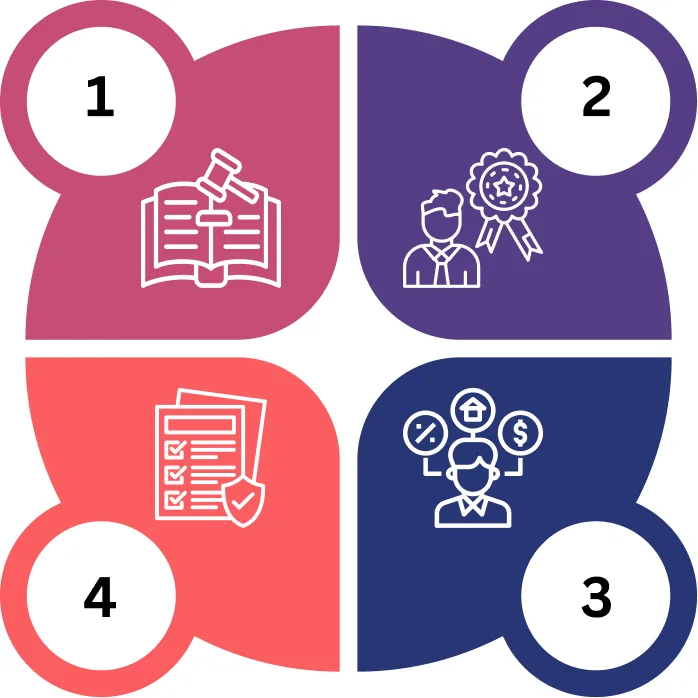
State-Compliant Coding
All Michigan Payer Expertise
45-Day Prompt Pay Rule
We track eligible clean claims against Michigan’s 45-day payment window, document payer delays, and flag qualifying late payments for 12% statutory interest recovery.
No-Fault Fee Schedule Caps
Our billers compare auto-injury charges with Michigan’s applicable Medicare-based fee schedule, identify underpayments, and pursue eligible payment variances with supporting claim data.
Medicaid False Claim Exposure
Our certified coders review Medicaid claims for upcoding, unbundling, unsupported units, and documentation gaps, helping reduce recoupment and compliance risk before submission or audit.
No-Fault Direct Billing Rights
We submit No-Fault claims promptly and track service dates, denials, and filing timelines so recoverable charges do not fall outside Michigan’s applicable recovery limits.
Michigan Surprise Billing Law Compliance
For Michigan emergency physicians billing services, we verify plan type, apply the right balance-billing rule, and bill out-of-network claims to insurers.
Telemedicine Coverage Parity Rules
Each virtual visit gets the right place-of-service code, modifier, and audio-video documentation, so coverage-parity benefits apply to every telehealth claim.
Our medical billing and coding services Michigan are trusted by practices. We start by matching documentation to diagnosis, procedure, drug, and facility codes. Then we review each claim for ICD-10-CM, CPT & HCPCS coding accuracy, medical necessity, and payer rules.
Our coders choose ICD-10-CM codes that prove medical necessity, adding laterality, severity, and external cause codes so claims reach the correct payer.
We code supplies, durable equipment, and ambulance services with correct codes, units, and modifiers so claims are paid without rework.
For infusions and injectables, we pair each J-code with its NDC, units, and waste modifiers, so the drug claims match what was administered.
We select CPT codes from the provider’s note, matching each visit, procedure, and E/M level to documented time, complexity, and the work actually performed.
We test modifiers and code pairs against NCCI edits and Michigan payer policies before submission, preventing unbundling, duplicate charges, and avoidable appeals.
We link revenue codes to the correct charge lines and verify place of service, so hospital and surgery center claims clear payer edits.
MedsIT Nexus checks every Michigan claim against the payer’s own coverage order, authorization, coding, and appeal rules before submission, so payment follows the contract and gets reimbursed.


We check BCBSM and Blue Care Network claims against plan authorization lists, filing limits, and policy edits.

We verify eligibility in CHAMPS, route each service to fee-for-service or the Medicaid Health Plan, and apply each payer’s authorization and filing rules.

Traditional Medicare claims are checked for edits and medical necessity, while Medicare Advantage claims are matched to payer authorization and appeal rules.

Priority Health claims are scrubbed against payer edits, priced to contract terms, and corrected within each payer’s filing windows.

We bill accident claims by PIP coverage order, apply no-fault fee schedule caps, and verify injury date, claim number, and carrier first.

Managing Partner
Lakeshore Internal Medicine Associates, Grand Rapids, MI
“We were paid late for years without ever seeing interest. MedsIT Nexus tracked every deadline and recovered money we didn’t know we were owed.”
Late-paid clean claims fell from 19.3% to 6.1%.
Average payer payment time decreased from 52 days to 31 days.
Northshore Internal Medicine Group found that a major payer was paying clean claims after 45 days without adding interest. Late payments were posted as paid in full, so the 12% statutory interest owed under Prompt Pay Law went uncollected on 418 claims.
Our team added a Michigan Prompt Pay Law compliance audit layer that matches 277CA acceptance dates to 835 payment dates and calculates each claim’s 45-day deadline. We reviewed every payer information request to confirm it truly stopped the clock, then filed documented interest demands for eligible claims.
Outcomes
We connect with leading EHR, Practice Management, and Billing platforms to keep your data accurate, claims clean, and revenue moving.



















Michigan credentialing depends on clean licensing, enrollment records, and payer applications. As a medical credentialing company, we manage each step of medical credentialing and payer enrollment so providers join networks correctly and bill on time.

License & Profile Audit
Verify LARA license, Michigan controlled substance license, NPI, and DEA records.Confirm board certification, malpractice coverage, and current practice locations.Fix name, taxonomy, and address mismatches before any application.Enrollment Pathway Mapping
Match each provider to Medicare, CHAMPS Medicaid, and commercial enrollment routes.Separate individual, group, and facility enrollment requirements by payer.Plan Medicaid Health Plan and PIHP network entry around CHAMPS approval.Application Build & Submission
Complete CAQH ProView profiles and payer applications without missing fields.Attach W-9s, rosters, ownership records, and EFT/ERA enrollment forms.Link each rendering provider to the correct group and Michigan location.Effective Date Control
Track missing documents, verification requests, and committee review dates.Confirm payer IDs, network status, and approved service locations.Hold billing under each payer until its effective date is confirmed.Recredentialing & Maintenance
Re-attest CAQH every 120 days and track payer revalidation cycles.Monitor license, DEA, and malpractice expirations before they lapse.Update rosters, ownership, and addresses when provider details change.Our team manages faster payer enrollment and revalidation, so Michigan providers start billing sooner without delays.

Faster
Enrollment

Cleaner
Applications

On-going
Support
No confusion. Just 24/7 credentialing support.
Our onboarding process is simple, and each step is connected, from revenue review and secure access to payer setup, testing, and go-live.

Practice & Revenue Review
We benchmark denial rates, A/R aging, and charge capture, then rank the biggest revenue leaks to fix first.

Secure Data Collection
We collect contracts, fee schedules, and system access through encrypted channels, keeping HIPAA-compliant billing workflows intact from day one.

Payer & Workflow Setup
We map BCBSM, Medicaid Health Plan, PIHP, Medicare, and no-fault rules into your workflow, including insurance eligibility and benefits verification.

EHR & Clearinghouse Connection
We connect your EHR and clearinghouse, then test 837 claims, 835 remittances, and EFT setup before the first claim.

Claim Validation & Testing
We automatically scrub claims for ICD-10-CM and CPT accuracy, payer edits, and authorization gaps before live submission.

Go-Live & Performance Review
Then finally we go live with daily claim monitoring and track denials and A/R days in scheduled revenue cycle management Michigan reports.

Share your practice details and select your billing challenges below. Our experts will review your information and provide personalized recommendations to improve your revenue cycle.
Trusted in 50 States by 500+ Providers
Michigan Medicaid billing starts with eligibility, because coverage runs through fee-for-service, Medicaid Health Plans, or PIHPs for specialty behavioral health. Each route has its own authorization rules, so billers verify the responsible plan first, then submit within the plan's filing limit.
WPS Government Health Administration is the Medicare Administrative Contractor for Michigan, handling Part A and Part B claims in Jurisdiction 8. Practices submit electronically through a clearinghouse, and claims must arrive within 12 months of the service date or face denial.
Medicare Advantage enrollment keeps rising, and each plan sets its own authorization, coding edit, and appeal rules instead of following traditional Medicare. That means more prior authorizations, more downcoding disputes, and slower payments, so practices need plan-specific verification and denial tracking.
Telehealth billing depends on the payer, since each sets its own place of service, modifier, and covered code rules. Michigan law requires insurers to cover telemedicine when they cover the same in-person service, so billers match each visit to payer policy.
The Michigan Assigned Claims Plan provides no-fault benefits when an accident victim has no auto policy. Practices bill it only after confirming no other coverage exists. The claim is assigned to an insurer, so billers need that carrier and claim number first.
Michigan Medicaid fee-for-service requires claims to be received within 12 months of the date of service, and Priority Health also requires billing to be complete within 12 months. Medicare uses the same 12-month window. Blue Cross Blue Shield of Michigan has set a 180-day limit for professional original claims. Always confirm your contract, since limits vary by plan.
CHAMPS is Michigan Medicaid's provider system for enrollment, eligibility checks, and claim submission. Practices need an active Medicaid enrollment, a CHAMPS login, and HIPAA-compliant 837 files or direct data entry.
Common Michigan denials include coordination of benefits errors, missing authorizations, timely filing misses, and no-fault claims sent to the wrong payer. Prevention starts before the visit: verify coverage order, secure authorizations, and track filing limits, then scrub claims against payer edits.
Credentialing with Michigan payers typically takes 60 to 120 days, depending on the payer, specialty, and application accuracy. Medicaid and commercial plans run their own review cycles, so submitting complete CAQH data early and following up keeps effective dates from slipping.
Michigan payers generally require an active CAQH ProView profile with current licenses, DEA and board certifications, malpractice coverage, and work history. Providers must authorize payers to view it and re-attest every 120 days, so expired attestations often delay enrollment.
Outsourcing credentialing gives Michigan practices faster payer enrollment, fewer application errors, and steady revalidation tracking. A dedicated team manages CAQH, follows up with each payer, and protects effective dates, so providers start billing sooner, and staff focus on patients.
Most delays come from incomplete applications, expired CAQH attestations, license or malpractice gaps, and unanswered payer requests. Michigan Medicaid and commercial plans also review on separate timelines, so one missing document can stall an effective date and delay revenue.
EHR integration moves charges, diagnoses, and demographics straight into the billing system, which removes manual re-entry. Claim scrubbers then flag missing ICD-10-CM codes, modifiers, and documentation before submission, so Michigan practices see fewer denials, cleaner claims, and faster payments.
Start by confirming the EHR supports HL7 or FHIR interfaces, 837 and 835 transaction exchange, and role-based access. Then verify the vendor signs a business associate agreement and test charge capture end to end, so billing data stays accurate and HIPAA-compliant.
Michigan's Medical Records Access Act governs how providers release patient records, while HIPAA sets the federal baseline. Stricter rules also cover sensitive records like mental health and substance use treatment, so EHR sharing needs consent checks, access controls, and audit trails.
HIPAA sets the baseline for securing and sharing PHI, and stricter Michigan rules for sensitive records add another layer. EHR integrations must map data by record type, encrypt transfers, and log every access, so systems exchange only what each user may see.